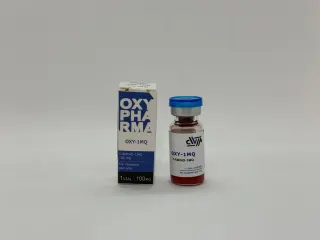
Properties and mechanism
5-Amino-1-methylquinolinium inhibits nicotinamide N-methyltransferase (NNMT). This enzyme transfers a methyl group to nicotinamide. Inhibition can alter pathways linking nicotinamide use and energy metabolism in experimental tissue.
Why it comes up in bodybuilding
Online discussions associate the compound with cutting, fat loss or muscle preservation. The hypothesis is largely extrapolated from metabolic markers in animals, where baseline disease and conditions differ from those of trained people.
What research shows
Mouse studies of diet-induced obesity evaluated adiposity, biomarkers and pharmacokinetics. They do not establish that healthy resistance-trained people lose body fat or retain muscle after exposure.
- Biological target5-Amino-1-methylquinolinium inhibits nicotinamide N-methyltransferase (NNMT).
- Observed outcomesPreclinical researchMouse studies of diet-induced obesity evaluated adiposity, biomarkers and pharmacokinetics.
- Limits in sportChanges in the rodent NNMT pathway cannot establish a safe or effective effect size in humans.
The category describes the type of source, rather than an effect size.
Side effects and health risks
- Human adverse-effect frequencies, interactions and long-term safety have not been characterised in adequate trials.
- The FDA has flagged particular compounded formulations, including this bulk substance, in enforcement. Unverified products introduce additional quality and contamination risks.
What is still unknown
Changes in the rodent NNMT pathway cannot establish a safe or effective effect size in humans.
Primary sources
Products listing this substance
Catalogue entries describe label contents. Individual listings may contain other ingredients.
Showing Lithuanian catalogue entries. Select a market to see its listings. LietuviųLatviešuEesti