Properties and mechanism
In the primate study, the compound targeted a marker on blood vessels supplying white fat. The experimental design aimed to induce cell death in those vessels and thereby affect the surrounding tissue.
Why it comes up in bodybuilding
Physique athletes may encounter it in discussions of fat loss, because it targets a tissue rather than suppressing appetite. That rationale does not establish selective, safe effects in humans.
What research shows
The study recorded changes in weight and fat depots in obese monkeys. It was a controlled animal experiment, with no corresponding effectiveness data in trained people.
- Biological targetIn the primate study, the compound targeted a marker on blood vessels supplying white fat.
- Observed outcomesPreclinical researchThe study recorded changes in weight and fat depots in obese monkeys.
- Limits in sportThe animal observations do not establish a safe human exposure, a predictable tissue effect or an athletic benefit.
The category describes the type of source, rather than an effect size.
Side effects and health risks
- The primate study observed treatment-related kidney effects, including changes in renal function and evidence of tubular toxicity.
- The likelihood and severity of similar effects in humans cannot be estimated from the experiment.
What is still unknown
The animal observations do not establish a safe human exposure, a predictable tissue effect or an athletic benefit.
Primary sources
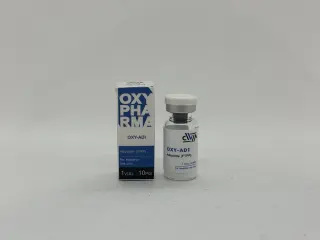
Products listing this substance
Catalogue entries describe label contents. Individual listings may contain other ingredients.
Showing Lithuanian catalogue entries. Select a market to see its listings. LietuviųLatviešuEesti