Properties and mechanism
The research compound was designed from the C-terminal region of human growth hormone. Animal studies assessed fat breakdown and production. Findings from these models are not proof of a selective fat-loss effect in humans.
Why it comes up in bodybuilding
Bodybuilders discuss it to reduce fat during preparation, often expecting little effect on the rest of the growth hormone pathway. The fragment's structure does not establish those outcomes.
What research shows
FDA reviewed preclinical work and human obesity trials. The clinical evidence did not establish a consistent weight benefit suitable for extrapolation to healthy strength athletes.
- Biological targetThe research compound was designed from the C-terminal region of human growth hormone.
- Observed outcomesResearch in humansFDA reviewed preclinical work and human obesity trials.
- Limits in sportClinical material, independently marketed vials and differently labelled HGH fragments cannot be assumed to be interchangeable.
The category describes the type of source, rather than an effect size.
Side effects and health risks
- FDA flags possible immune reactions and peptide impurities in compounded products.
- Serious events have been reported, with uncertainty about causation.
- Reliable long-term risk estimates are unavailable.
What is still unknown
Clinical material, independently marketed vials and differently labelled HGH fragments cannot be assumed to be interchangeable.
Primary sources
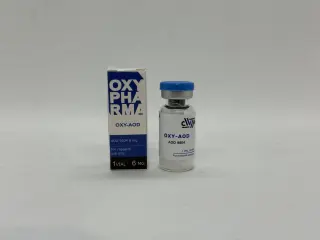
Products listing this substance
Catalogue entries describe label contents. Individual listings may contain other ingredients.
Showing Lithuanian catalogue entries. Select a market to see its listings. LietuviųLatviešuEesti