Properties and mechanism
Experimental work examines signals involved in inflammation, new blood vessel formation and tissue repair. A proposed pathway or a response in an injured animal is an intermediate observation.
Why it comes up in bodybuilding
Athletes discuss BPC-157 for tendon discomfort, injury recovery and an earlier return to lifting. Those are reported motives. The conditions and outcomes tested in laboratory models differ from everyday sports injuries.
What research shows
FDA reviewed limited clinical information and a much larger preclinical literature. Robust trials with imaging, function and return-to-sport outcomes are still lacking for resistance-trained people.
- Biological targetExperimental work examines signals involved in inflammation, new blood vessel formation and tissue repair.
- Observed outcomesPreclinical researchFDA reviewed limited clinical information and a much larger preclinical literature.
- Limits in sportDifferent compounds and preparations can share the label.
The category describes the type of source, rather than an effect size.
Side effects and health risks
- FDA flags possible immune reactions and problems identifying peptide impurities in compounded products.
- Human adverse-event frequency and longer-term risks are insufficiently documented.
What is still unknown
Different compounds and preparations can share the label. Safety and effectiveness of a marketed vial cannot be inferred from the laboratory literature.
Primary sources
Products listing this substance
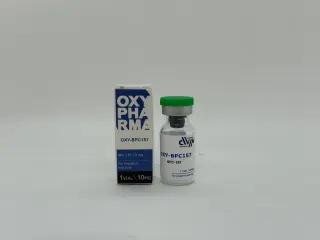
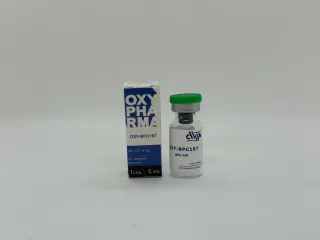
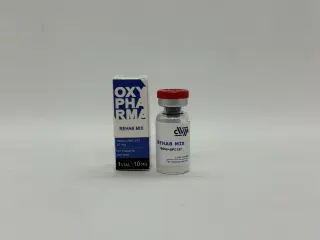
Catalogue entries describe label contents. Individual listings may contain other ingredients.
Showing Lithuanian catalogue entries. Select a market to see its listings. LietuviųLatviešuEesti