Properties and mechanism
Amylin is released with insulin and contributes to satiety. Cagrilintide mimics aspects of that signal. Appetite and scale weight are different endpoints from lean mass and performance.
Why it comes up in bodybuilding
Some physique athletes discuss it as a way to reduce hunger during a calorie deficit. That interest does not show whether it helps maintain muscle or training quality.
What research shows
A randomised phase 2 study studied cagrilintide in adults with overweight or obesity. Evidence from combinations with other medicines must be distinguished from results for cagrilintide alone.
- Biological targetAmylin is released with insulin and contributes to satiety.
- Observed outcomesResearch in humansA randomised phase 2 study studied cagrilintide in adults with overweight or obesity.
- Limits in sportChanges in clinical weight do not answer questions about competition preparation, long-term off-label use or formulation quality.
The category describes the type of source, rather than an effect size.
Side effects and health risks
- Nausea and other gastrointestinal adverse effects were common in clinical testing.
- The trial cannot quantify rare or long-term effects in athletes or independently supplied preparations.
What is still unknown
Changes in clinical weight do not answer questions about competition preparation, long-term off-label use or formulation quality.
Primary sources
Products listing this substance
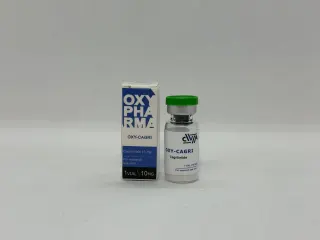
Catalogue entries describe label contents. Individual listings may contain other ingredients.
Showing Lithuanian catalogue entries. Select a market to see its listings. LietuviųLatviešuEesti