Properties and mechanism
Enobosarm binds the androgen receptor and modifies androgen-responsive gene expression. Its clinical development assessed effects on lean mass and measures of physical function, which are different outcomes.
Why it comes up in bodybuilding
Bodybuilding sellers associate ostarine with maintaining a lean appearance or preserving muscle in a calorie deficit. Those uses differ from the medical context of the phase 2 cancer trial.
What research shows
A randomized phase 2 trial reported gains from baseline in lean mass in the treatment groups. The participants had cancer and the outcome was measured by DXA. A DXA result includes water and other lean tissue and cannot be interpreted as an equivalent gain in muscle strength.
- Biological targetEnobosarm binds the androgen receptor and modifies androgen-responsive gene expression.
- Observed outcomesResearch in humansA randomized phase 2 trial reported gains from baseline in lean mass in the treatment groups.
- Limits in sportThe risk and benefit for strength-trained people cannot be inferred from a short clinical study in patients with cancer.
The category describes the type of source, rather than an effect size.
Side effects and health risks
- Case reports and FDA surveillance identify a risk of liver injury in the wider SARM market.
- Androgen-related effects, including changes in reproductive hormones and blood lipids, are possible and require separate safety assessment.
What is still unknown
The risk and benefit for strength-trained people cannot be inferred from a short clinical study in patients with cancer. Product identity may also differ from the label.
Primary sources
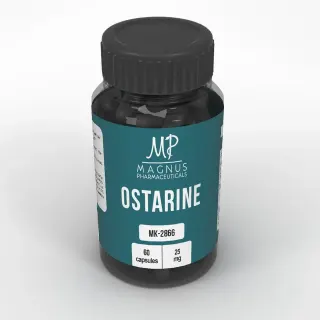
Products listing this substance
Catalogue entries describe label contents. Individual listings may contain other ingredients.
Showing Lithuanian catalogue entries. Select a market to see its listings. LietuviųLatviešuEesti