Properties and mechanism
Fluoxymesterone is a fluorinated oral androgen. Its 17α-methyl modification allows oral activity and increases relevance of liver warnings.
Why it comes up in bodybuilding
It features in accounts emphasising short-term training intensity, strength or aggression. Mood or arousal changes are poor measures of strength adaptation.
What research shows
Prescribing information describes androgenic actions and adverse effects in medical use. It does not establish a reproducible performance effect in healthy resistance-trained adults.
- Biological targetFluoxymesterone is a fluorinated oral androgen.
- Observed outcomesClinical research or medicine documentationPrescribing information describes androgenic actions and adverse effects in medical use.
- Limits in sportWhat happens during prolonged exposure and when several agents are used together is poorly quantified.
The category describes the type of source, rather than an effect size.
Side effects and health risks
- The prescribing information warns of cholestasis and serious hepatic complications. Oedema and suppression of gonadal function are also relevant.
- Androgens can suppress LH and FSH. Reduced sperm production and low endogenous testosterone may persist after exposure ends.
- Prospective data on nonmedical androgen use show higher blood pressure and haematocrit, less favourable blood lipids and changes in heart function. These class findings do not estimate the rate for an individual compound.
What is still unknown
What happens during prolonged exposure and when several agents are used together is poorly quantified. Athlete reports cannot establish the net benefit or safety of a particular product.
Primary sources
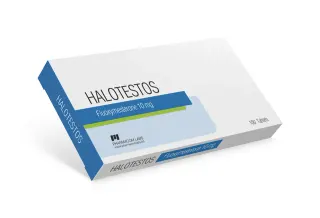
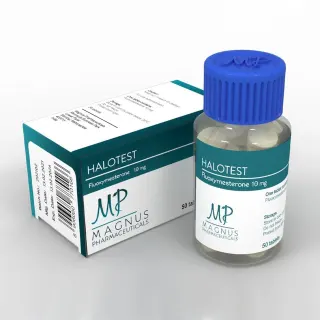
Products listing this substance
Catalogue entries describe label contents. Individual listings may contain other ingredients.
Showing Lithuanian catalogue entries. Select a market to see its listings. LietuviųLatviešuEesti