Properties and mechanism
GHK consists of glycine, histidine and lysine. It binds copper. Researchers have measured changes in extracellular-matrix components after exposure in laboratory wound models.
Why it comes up in bodybuilding
Some athletes discuss the peptide for skin appearance and recovery of connective tissue. Effects on a superficial wound cannot determine whether a loaded tendon regains function.
What research shows
Animal wound experiments and limited topical skin research examine different materials and settings. They do not establish a systemic benefit in resistance-trained people.
- Biological targetGHK consists of glycine, histidine and lysine.
- Observed outcomesPreclinical researchAnimal wound experiments and limited topical skin research examine different materials and settings.
- Limits in sportShort studies of skin appearance or healing are not evidence about injected products, tendon recovery or prolonged exposure.
The category describes the type of source, rather than an effect size.
Side effects and health risks
- FDA highlights possible immune reactions from aggregation or impurities in injectable preparations.
- Human safety information for systemic exposure is limited; topical data cannot estimate those risks.
What is still unknown
Short studies of skin appearance or healing are not evidence about injected products, tendon recovery or prolonged exposure.
Primary sources
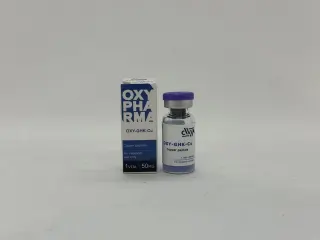
Products listing this substance
Catalogue entries describe label contents. Individual listings may contain other ingredients.
Showing Lithuanian catalogue entries. Select a market to see its listings. LietuviųLatviešuEesti