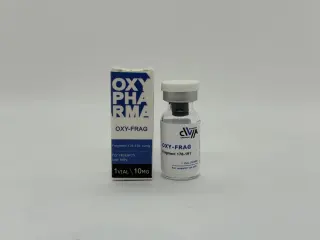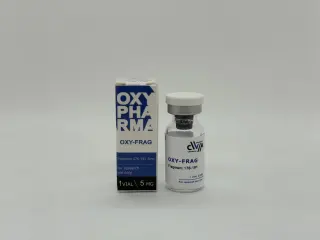
Properties and mechanism
Residue numbering points to a segment of the parent protein. Published AOD-9604 work often concerns a modified fragment. A catalogue name is insufficient to establish whether that is the material supplied.
Why it comes up in bodybuilding
Bodybuilders often link the label to fat-loss claims. Claims circulate alongside evidence from related molecules and animal work, so the link is easily overstated.
What research shows
FDA evaluated data for a defined modified fragment, including animal and human evidence. That dossier does not independently establish outcomes for every preparation marketed as fragment 176–191.
- Biological targetResidue numbering points to a segment of the parent protein.
- Observed outcomesFDA evaluated data for a defined modified fragment, including animal and human evidence.
- Limits in sportWithout confirmed structure and exposure, efficacy and adverse-event rates cannot be carried across from products called AOD-9604 or from full-length growth hormone.
Side effects and health risks
- For studied related preparations, FDA identified concerns over peptide impurities and potential immunogenicity.
- Few reliable human data are available for the exact preparation denoted by this label.
What is still unknown
Without confirmed structure and exposure, efficacy and adverse-event rates cannot be carried across from products called AOD-9604 or from full-length growth hormone.
Primary sources
Products listing this substance
Catalogue entries describe label contents. Individual listings may contain other ingredients.
Showing Lithuanian catalogue entries. Select a market to see its listings. LietuviųLatviešuEesti