Properties and mechanism
LGD-4033 changes signaling through the androgen receptor. The compound was investigated for conditions involving loss of lean tissue. Receptor activity also affects systems outside skeletal muscle.
Why it comes up in bodybuilding
It is discussed in bodybuilding as a way to increase muscular size or strength. Interest often comes from an early study of lean mass. Lean mass includes tissues and fluids that are separate from contractile muscle.
What research shows
A placebo-controlled trial included 76 healthy men who were followed during a short period of treatment. Lean body mass increased with exposure, while the study did not establish a significant advantage on its leg-press strength test.
- Biological targetLGD-4033 changes signaling through the androgen receptor.
- Observed outcomesResearch in humansA placebo-controlled trial included 76 healthy men who were followed during a short period of treatment.
- Limits in sportThe trial could not establish long-term effects on fertility, cardiovascular outcomes or strength performance in people who train regularly.
The category describes the type of source, rather than an effect size.
Side effects and health risks
- The trial recorded reductions in total testosterone, sex hormone-binding globulin and HDL cholesterol.
- Serious liver injury is also a concern with products sold as SARMs. Evidence from short studies does not quantify repeated recreational exposure.
What is still unknown
The trial could not establish long-term effects on fertility, cardiovascular outcomes or strength performance in people who train regularly.
Primary sources
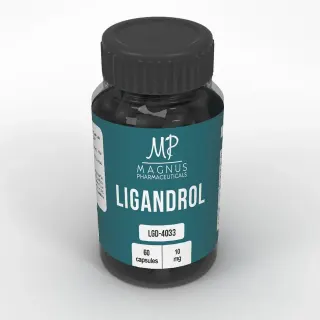
Products listing this substance
Catalogue entries describe label contents. Individual listings may contain other ingredients.
Showing Lithuanian catalogue entries. Select a market to see its listings. LietuviųLatviešuEesti