Properties and mechanism
NAD+ is the oxidised form of a coenzyme that accepts electrons in cellular redox reactions. It also participates in processes such as PARP-dependent DNA repair. It is a dinucleotide rather than a peptide.
Why it comes up in bodybuilding
It is discussed in fitness and recovery settings because the coenzyme participates in energy metabolism. Its role inside cells does not show that an external formulation improves training capacity, recovery or muscle building.
What research shows
A small human infusion pilot measured blood and urine levels of NAD+ and its metabolites. It did not establish effects on lifting, body composition, fatigue after training or recovery time.
- Biological targetNAD+ is the oxidised form of a coenzyme that accepts electrons in cellular redox reactions.
- Observed outcomesResearch in humansA small human infusion pilot measured blood and urine levels of NAD+ and its metabolites.
- Limits in sportDifferent precursors, salts and preparations are not interchangeable in interpreting the evidence.
The category describes the type of source, rather than an effect size.
Side effects and health risks
- The FDA has received reports of severe chills, shaking, vomiting and fatigue after use of NAD+ injectable preparations. The reported pattern was consistent with excessive endotoxins.
- These reports highlight a preparation quality risk. They do not establish the rate of intrinsic side effects in a specific athlete population.
What is still unknown
Different precursors, salts and preparations are not interchangeable in interpreting the evidence. Sports outcomes and long-term use remain insufficiently studied.
Primary sources
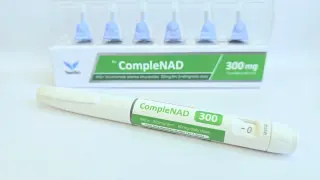
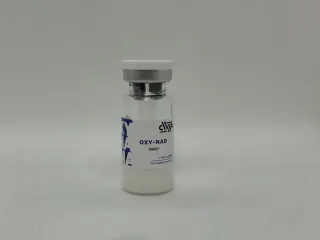
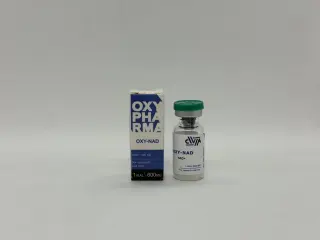
Products listing this substance
Catalogue entries describe label contents. Individual listings may contain other ingredients.
Showing Lithuanian catalogue entries. Select a market to see its listings. LietuviųLatviešuEesti