Properties and mechanism
Retatrutide activates receptors for GLP-1, GIP and glucagon. The combined signals affect appetite and metabolism. Receptor activation does not establish the fraction of weight change that comes from muscle or fat in an athlete.
Why it comes up in bodybuilding
People in physique sports discuss retatrutide for appetite suppression and weight reduction. Being able to eat less does not establish improved appearance, performance or long-term health.
What research shows
Randomised phase 2 and phase 3 trials included adults with obesity and measured weight, adverse events and other clinical outcomes. Direct comparisons in strength athletes undergoing competition preparation are missing.
- Biological targetRetatrutide activates receptors for GLP-1, GIP and glucagon.
- Observed outcomesResearch in humansRandomised phase 2 and phase 3 trials included adults with obesity and measured weight, adverse events and other clinical outcomes.
- Limits in sportTrial populations, pharmaceutical material and clinical monitoring differ from independent products or self-directed use.
The category describes the type of source, rather than an effect size.
Side effects and health risks
- Nausea, diarrhoea, vomiting and constipation were reported in clinical trials.
- A rise in heart rate was observed in the phase 2 trial. The rate of uncommon or delayed harms is harder to estimate.
What is still unknown
Trial populations, pharmaceutical material and clinical monitoring differ from independent products or self-directed use. These differences limit application of the trial results.
Primary sources
Products listing this substance
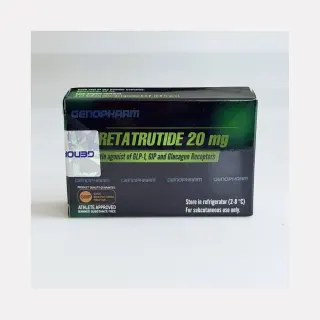
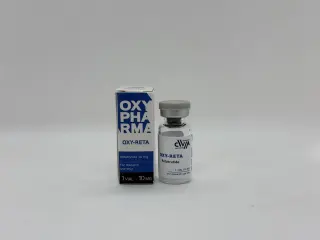
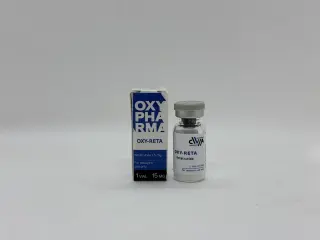
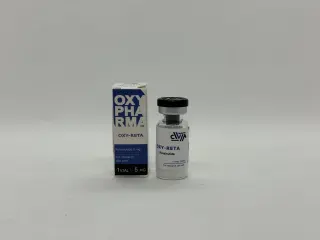
Catalogue entries describe label contents. Individual listings may contain other ingredients.
Showing Lithuanian catalogue entries. Select a market to see its listings. LietuviųLatviešuEesti