Properties and mechanism
FDA's assessment describes a fragment related to thymosin beta-4, an actin-binding protein involved in cell movement. Findings on the parent molecule cannot establish what the fragment does in an intact human tendon or muscle.
Why it comes up in bodybuilding
Bodybuilders discuss TB-500 after soft-tissue injuries and when recovery limits training. The rationale usually comes from wound-healing experiments or descriptions of the parent protein.
What research shows
FDA found no human drug-exposure data for the assessed thymosin beta-4 fragment in its safety summary. Research on full-length thymosin beta-4 cannot answer questions about the identity or benefits of a fragment sold as TB-500.
- Biological targetFDA's assessment describes a fragment related to thymosin beta-4, an actin-binding protein involved in cell movement.
- Observed outcomesPreclinical researchFDA found no human drug-exposure data for the assessed thymosin beta-4 fragment in its safety summary.
- Limits in sportThe name alone is not an analytical identification of the molecule in a vial.
The category describes the type of source, rather than an effect size.
Side effects and health risks
- Potential aggregation and impurities can cause concern about immune reactions.
- There is too little human exposure evidence to identify reliably how often adverse effects occur.
What is still unknown
The name alone is not an analytical identification of the molecule in a vial. Long-term systemic effects and sports rehabilitation outcomes are unresolved.
Primary sources
Products listing this substance
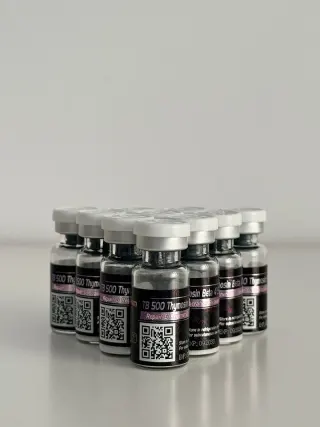
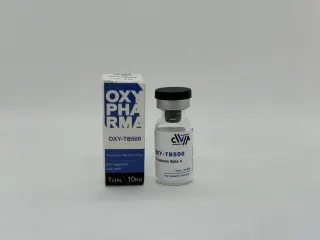
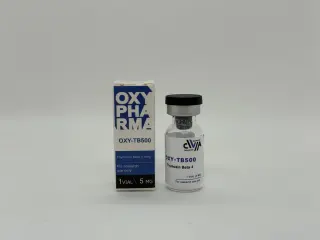
Catalogue entries describe label contents. Individual listings may contain other ingredients.
Showing Lithuanian catalogue entries. Select a market to see its listings. LietuviųLatviešuEesti